
Modern love in Chicago

A long time ago, I finished reading the Modern Love books and watching the series. As a self-proclaimed materialist, I typically avoid films or shows with love as the central theme. Yet, I must admit, few works of art capture human relationships, choices, and futures as vividly, delicately, authentically, and warmly as Modern Love. Each episode is based on real-life stories, and more precisely, on the complex web of relationships between people—not solely romantic ones. This makes it fascinating because it often diverges from the typical American-style drama, like Gossip Girl. Instead, the stories are fragmented, ordinary, even mundane. Some failed to resonate with me, but they all felt inexplicably real. After all, human emotions are often devoid of logic.

The show explores humanity’s seven deadly relational sins: blindness, unforgiveness, lack of expression, lack of communication, disability, indulgence in fantasy, and making empty promises. We humans are fragile and complicated—but so what? Modern Love uses love as a central theme to examine many aspects of human interaction, with each episode delving into the unique dynamics and conflicts between different people.

Here are some perspectives from the show that I found particularly thought-provoking—some of which I agree with, while others I remain skeptical about:
"Most people think ‘love’ is something that suddenly happens to us—we fall in love, swept off our feet by each other."
"It’s possible, and even simple, to create feelings of trust and intimacy, which love needs to thrive."
"Love doesn’t just happen to us. We love because we choose to love."
"The longer you’re with someone, the more small ‘buts’ accumulate. You love this person. Of course, you plan to stay together forever. But sometimes, forever feels so long. Breaking up and starting fresh seems like a reasonable option—everyone around you seems to be doing it."
"As long as you don’t break up, your marriage will outlast most of your friends’."
"The secret to a long marriage," a mother says, "is simply not divorcing."
"What I like about marriage is that you can have bad days, even bad years, full of doubt, arguments, confusion, and storming out. But as long as you don’t divorce, you’re as married as the couples without any conflict."
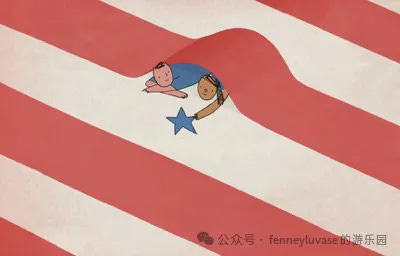
One episode likened marriage to entrepreneurship. The analogy is striking: in traditional societies, matchmaking apps or algorithms aim to reduce the risks and hassles of finding a partner. However, setting these aside, what we truly need is courage and focus.
Courage
Entrepreneurs stand out for their willingness and ability to take personal risks for potentially enormous rewards. Most people are slaves to fear, avoiding risk rather than confronting it. As one quote puts it, "Most people will never consciously take on additional risks in their lives to pick up the money or opportunities lying around them."
The opposite of love isn’t hate—it’s fear. "There is no fear in love." Love should feel a little scary because it’s full of uncertainty. Courage means pursuing love despite fearing rejection or failure.
Focus
True focus means fully dedicating yourself to the task at hand. As a Zen master once said, "Wash the dishes for the sake of washing the dishes." Unfortunately, this kind of wholehearted presence is disappearing from our relationships. An old email signature once ironically captured this trend: "Ignoring everyone around me—sent from my iPhone."
To live a happy life, perhaps one should marry their best friend.

The idea of marrying your best friend is supported by economic models and sociological observations:
Marriage makes people happier and more satisfied with life compared to being single, particularly during the most stressful periods, such as a midlife crisis.
Stable marriages are more common among well-educated, high-income groups, while those with less stability face increasing challenges in achieving a secure marriage.
The happiness derived from marriage extends far beyond the honeymoon phase. A key reason might be the role of friendship within the marriage. Middle age often brings a dip in life satisfaction, primarily due to the pressures of careers and family demands. Friendship within marriage becomes most beneficial during these high-stress times. Compared to single or divorced individuals, married people handle midlife stress better because they have someone to share the burden and offer companionship.
Since the countercultural movements of the 1960s, marriage has shed much of its institutional rigidity. People increasingly view it as an optional means of self-actualization. As one character aptly puts it, "Your presence makes me want to be a better person."
Despite the many factors contributing to our current era—where people no longer carefully choose whom or what to love—love has willingly become "a journey to explore the rich, diverse, and exhilarating nature of oneself together with another."

Recently, I strolled through the sunny streets of Chicago with a friend, chatting about the nuances of relationships. She shared her experiences of "deglamorization" in the so-called professional hierarchy and spoke of her newfound life plans—plans she hadn’t considered before. While she doesn’t yet have a partner, she smiled as she talked about these dreams, her eyes sparkling in the breeze. It was a moment of unexpected romance.
Love encompasses countless elements.
Love is what shapes you and me.